

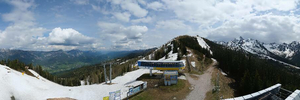

Die TechnoAlpin Schneemacher am Hauser Kaibling
100% Schneesicherheit vom Gipfel bis ins Tal
Beschneiungsanlagen
Schnee in der gewünschten Qualität, der benötigten Menge, am rechten Ort, zur rechten Zeit - effizient und ressourcenschonend!
Beschneiungsanlagen sind komplexe technische Anlagen, die eine Vielzahl von Komponenten umfassen. Genauso einzigartig wie das Skigebiet, ist auch seine Beschneiunganlage. Die Anlage muss den natürlichen Gegebenheiten perfekt angepasst werden. Wir haben einen sogenannten "Masterplan", welcher detailliert und naturgetreu die individuelle Beschneiungsanlage am Hauser Kaibling darstellt.
Betriebszustände und Ressourcenverbrauch können genauestens kontrolliert und ausgewertet werden - Rüstzeiten fallen weg, Betriebskosten können optimiert sowie eine gleichbleibende Schneequalität über die gesamte Pistenlänge garantiert werden. Nahezu alle Skigebiete in den Alpen arbeiten mittlerweile mit vollautomatischen Anlagen und weiteren Spezialfahrzeugen, um beste Pistenpräparierung zu gewährleisten.
Man unterscheidet prinzipiell zwischne zwei Systemen:
Die Schneemacher: Niederdruckanlagen & Lanzensysteme
Der eingebaute Ventilator bläst Umgebungsluft durch ein grosses Rohr (Niederdruckteil). Am Ende des Rohrs wird Wasser unter Druck (ca. 8-20 bar) durch feine Düsen in den Luftstrahl gesprüht und mit ihm 20 bis 45 m weit weggetragen, bevor das Wasser gefroren zu Boden fällt. Bei diesen Schneeerzeugern sind Nukleatoren, die den Gefrierprozess beschleunigen, als Mischdüsen eingebaut. Dabei wird wenig Wasser mit Druckluft gemischt, um die Bildung von Gefrierkernen zu beschleunigen.
Propeller-Schneeerzeuger
Zeichnen sich durch eine große Wurfweite, große Schneileistung, geringe Windempfindlichkeit und flexiblen Einsatz aus. Sie werden daher vor allem auf breiten Pisten, an Stellen mit hohem Schneebedarf, in steilen Hängen oder im freien, windexponierten Gelände eingesetzt.
Am Hauser Kaibling sind ausschließlich Niederdruckanlagen im Einsatz!
- 233 Stück Schneekanonen
- 154 Stück mobile Schneekanonen
- 72 Stück auf 4,5 Meter hohen Türmen
- 7 Stück auf einem 10 Meter langen Schwenkarm
Pro Stunde können am Hauser Kaibling ca. 6.000 m³ Schnee erzeugt werden, dass entspricht ca. 600 LKW-Ladungen Schnee! Arbeiten sie rund um die Uhr, so liefern sie 150.000 Kubikmeter weiße Pracht. Das sind rund 15.000 Lkw-Ladungen. Spielen die Minustemperaturen mit, so ist die Grundbeschneiung vom Gipfel bis ins Tal in nur drei Tagen erledigt!
Unter Druck stehendes Wasser wird mit grossen Mengen Druckluft durch Düsen gepresst und fein zerstäubt. Durch die rasche Expansionskälte und die erzeugten Turbulenzen gefrieren die feinen Wassertröpfchen zu Schneekristallen.